


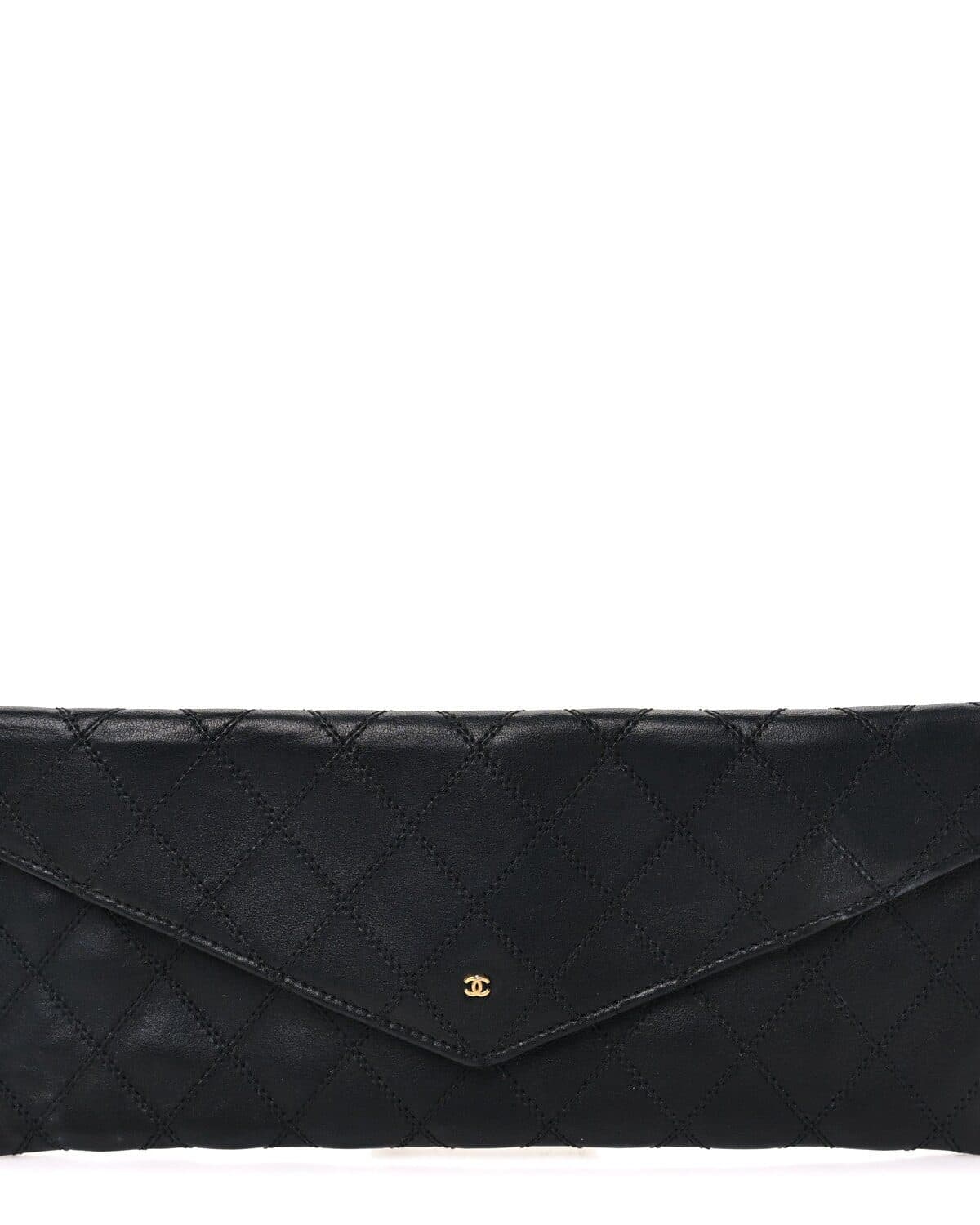
We acquire.
Exceptional pre-owned pieces, bought outright through a closed, vetted supply network. We carry the capital and the risk, which is what makes the rest of it possible.
Our story
The story of the house, in the founder's own words.
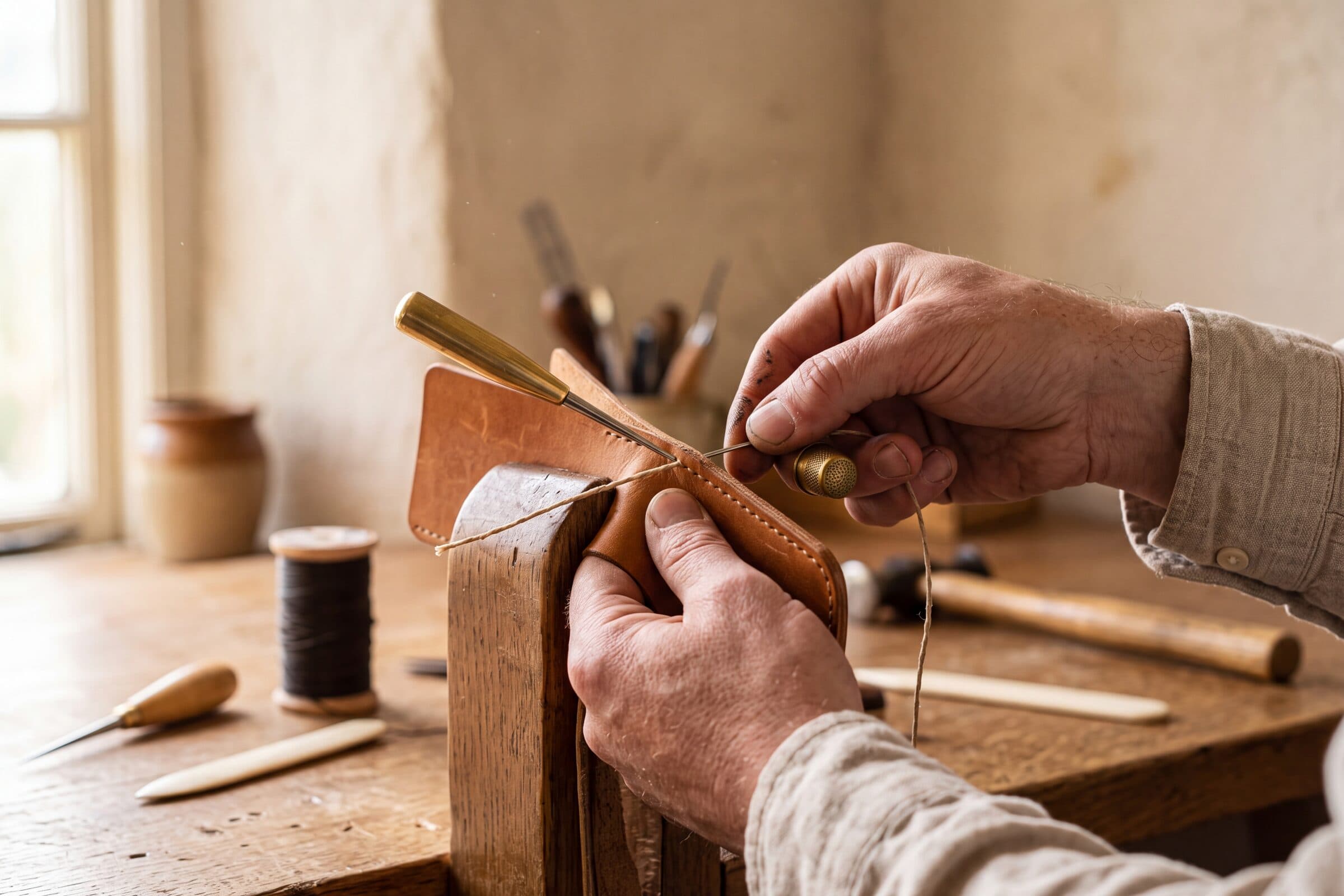
My first luxury business started with one idea: build a boutique for my girlfriend. Not a company, not an exit — a place where someone I loved could do something she loved and own it.
Building it taught me where a luxury boutique actually gets hard. It is not taste, and it is not hustle. It is infrastructure — sourcing at real prices, authenticating so buyers trust you, inventory that doesn't rot, packaging that makes an unboxing feel like something, software that tells you the truth about your money.
Almost nobody can build all of that alone. So almost nobody gets to start.
“I wanted to build a boutique for someone I loved. It turned out the useful thing was building what a boutique needs. Now anybody can have it.”
So we built it once, properly, and made it available. That is the whole company: acquire it, authenticate it, sell it properly, and hand the whole system to the next person.
Trevor Nix · Founder
What I learned building it
Every one of these is a wall. Hit any one of them alone and the boutique doesn't open. This list is the reason the company exists.
Anyone can buy one bag. Buying consistently, at a price that leaves a business behind, takes relationships you can't shortcut — and nobody hands them to a newcomer.
A customer spending real money on a pre-owned piece is buying your judgement, not the object. Earning that takes a system, not an eye.
The wrong pieces sit. Money you can't get back out sits with them. Knowing what to buy is a skill; knowing what not to buy is the one that keeps you open.
Pre-owned has to feel better than new, not slightly worse. That's boxes, tissue, ribbon, the card — and minimums a new boutique can't meet on its own.
What you hold, what it cost, what it's worth, who bought what. Without it you're guessing, and you usually find out too late that you guessed wrong.
The road here
The short version, milestone by milestone.
Age 16
16
Started a recycling program in one high-school lunchroom.
Age 17
17
The program went district-wide — first proof that a system, built once, replicates.
Age 18
18
Diamond Challenge ambassador (global student entrepreneurship competition).
Age 19
19
University of Delaware, entrepreneurship — left to build instead.
Age 20
20
Started building e-commerce brands.
Age 22
22
Launched an ocean-impact brand — every order funded cleanup.
Age 23
23
Tree-planting partnerships begin.
Age 24
24
Four mission-driven brands under one operating company.
Age 26
26
Stepped back to architect something more durable than a single brand.
Age 30
30
Tampa. Started drafting the operating system the company runs on.
Age 31
31
First operators onboarded.
Today
Now
The Luxury Movement.
Vision and mission
A network of independently owned boutiques — most of them women-owned — running on shared infrastructure they didn't have to build.
The mission, in one line
Acquire it, authenticate it, sell it properly, and hand the whole system to the next person.
Impact
The habit is older than the house — build the system once, hand it over, see what people do with it. Here’s what it’s added up to.
The next number I care about is a hundred women in business for themselves.
The whole recordThe claim
Luxury is the most powerful attention machine ever built. We pointed it at something that matters.
Luxury is usually about exclusion — who's kept out, who can't sit down, who doesn't get the invitation. That's most of the reason it works.
We use it for the opposite. Luxury carries attention and aspiration better than any other category on earth, and we point it at getting people into business for themselves.
Trevor Nix — Founder
What we believe
01
A new boutique owner gets the same playbook we run ourselves — nothing held back, nothing watered down.
02
The customer who sees a flaw before they buy doesn't become a return — they become a repeat.
03
Every piece is authenticated twice before it's sold — even the one an experienced eye could clear from across the room.
04
We don't depend on infrastructure we can't control — so the women building on ours never have to.
05
We'd rather create ten owners than a hundred employees.
06
Grade the flaw. Disclose the condition. Refund the mistake.
07
The measure of the company is not what we sold — it's who's standing on their own because of it.
Plainly
We buy our own inventory and stand behind every piece.
Those models all work the same way underneath: someone else's risk becomes yours. We took the other side of it. We spend our own money on a piece before anybody sees it — which is exactly why we can afford to tell you what's wrong with it.
The house today
Exceptional pre-owned pieces, bought outright through a closed, vetted supply network. We carry the capital and the risk, which is what makes the rest of it possible.
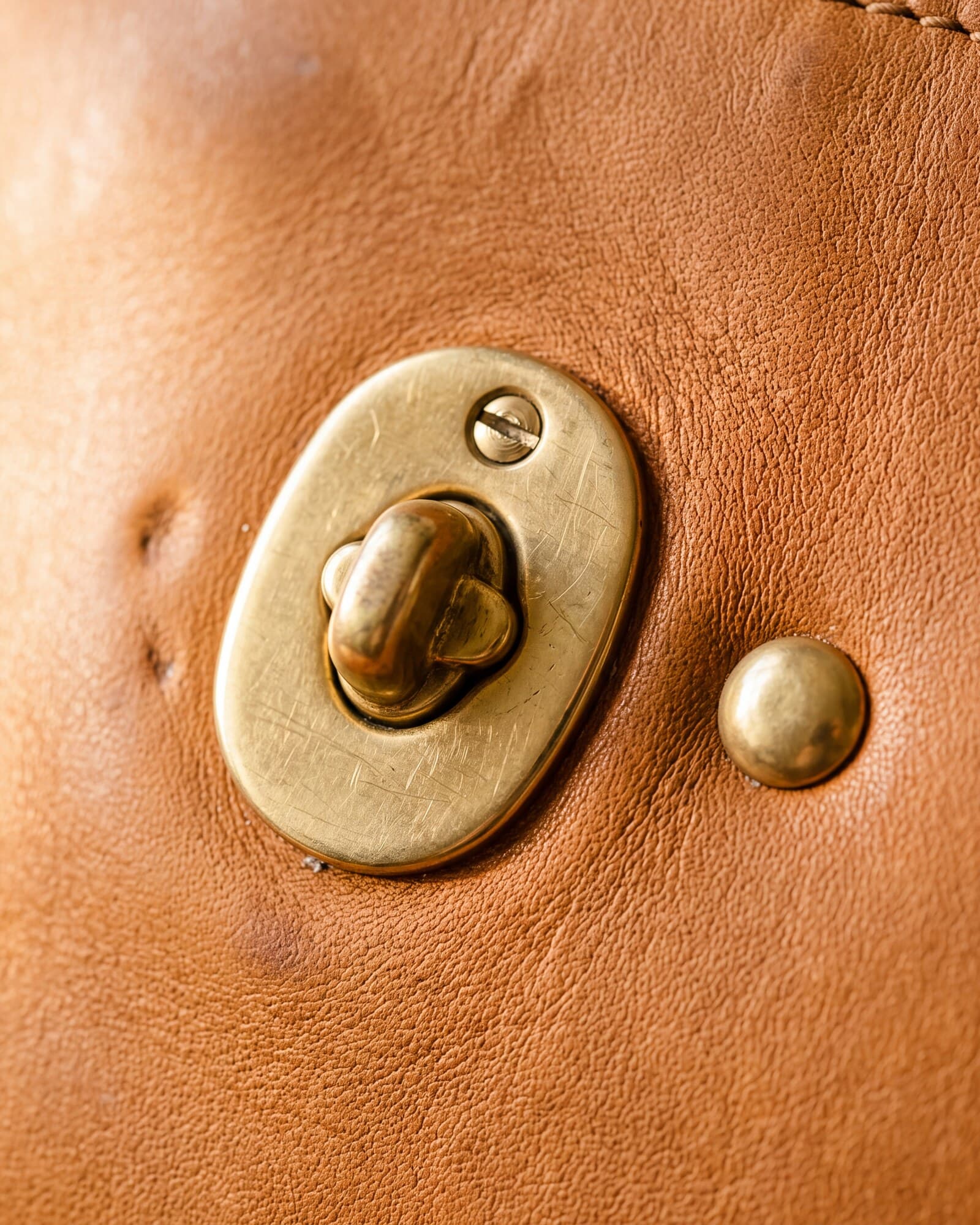
Twice, independently. Once inside the network we buy from, and again here on arrival — before anything is graded, photographed, or listed.
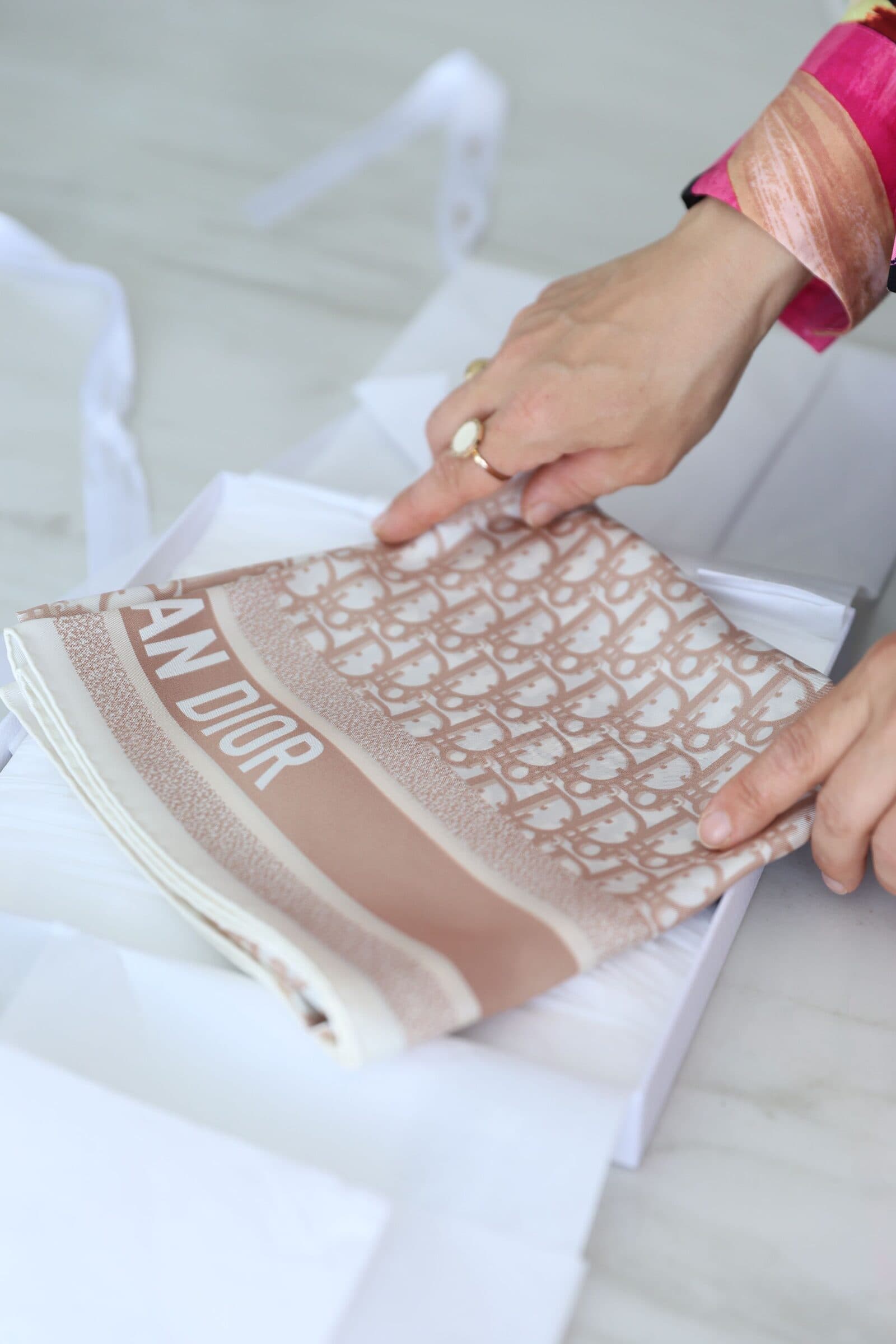
Graded against a published rubric, photographed with every flaw in frame, and packed as though it were new. It's a gift even when you bought it for yourself.
Discretion
Our supply relationships are built over years and they are nobody else's business. We don't publish our sources, we don't discuss our terms, and we don't trade on someone else's name to sell a piece. The people we work with know that about us before they ever ship to us.
It reads as restraint from the outside, and people sometimes read restraint as evasion. It isn't. A house that talks about where its pieces came from is a house whose partners eventually stop calling.
The same discretion runs the other way. What you buy, what you asked about, what you decided against — that's yours. We don't sell it, trade it, or mention it.
The invitation
If the story sounds familiar — the taste, the drive, everything but the infrastructure — the boutique program was built for you. We're opening the first cohort.